How a Gas Boiler Works
A gas boiler heats your home by burning gas and using that heat to warm water.
Next, the system pumps the hot water through pipes to radiators and taps.
Finally, the cooled water returns to the boiler to be heated again.
In other words, the boiler creates heat, moves it around your home, and repeats the cycle whenever heat is needed.
The Basic Heating Process
First, your thermostat asks for heat.
Then, the boiler lights a controlled gas flame.
After that, heat moves into water inside the boiler.
Next, a pump pushes the hot water around your home.
At the same time, safety sensors watch every step.
As a result, your home stays warm and comfortable.
Inside a Gas Boiler


Inside the boiler, several parts work together in a clear sequence.
Combustion Chamber
First, gas mixes with air and ignites.
The flame stays sealed inside the boiler for safety.
Burner
Next, the burner controls how much gas burns.
Because of this, the boiler can increase or reduce heat as needed.
Heat Exchanger
Then, heat passes into water through metal surfaces.
Importantly, the flame and water never touch.
Pump
After that, the pump moves hot water out to the heating system.
At the same time, it pulls cooler water back into the boiler.
Condensing System
In modern boilers, extra heat is taken from exhaust gases.
As a result, the boiler uses less gas and works more efficiently.
How the Pipes and Radiators Work
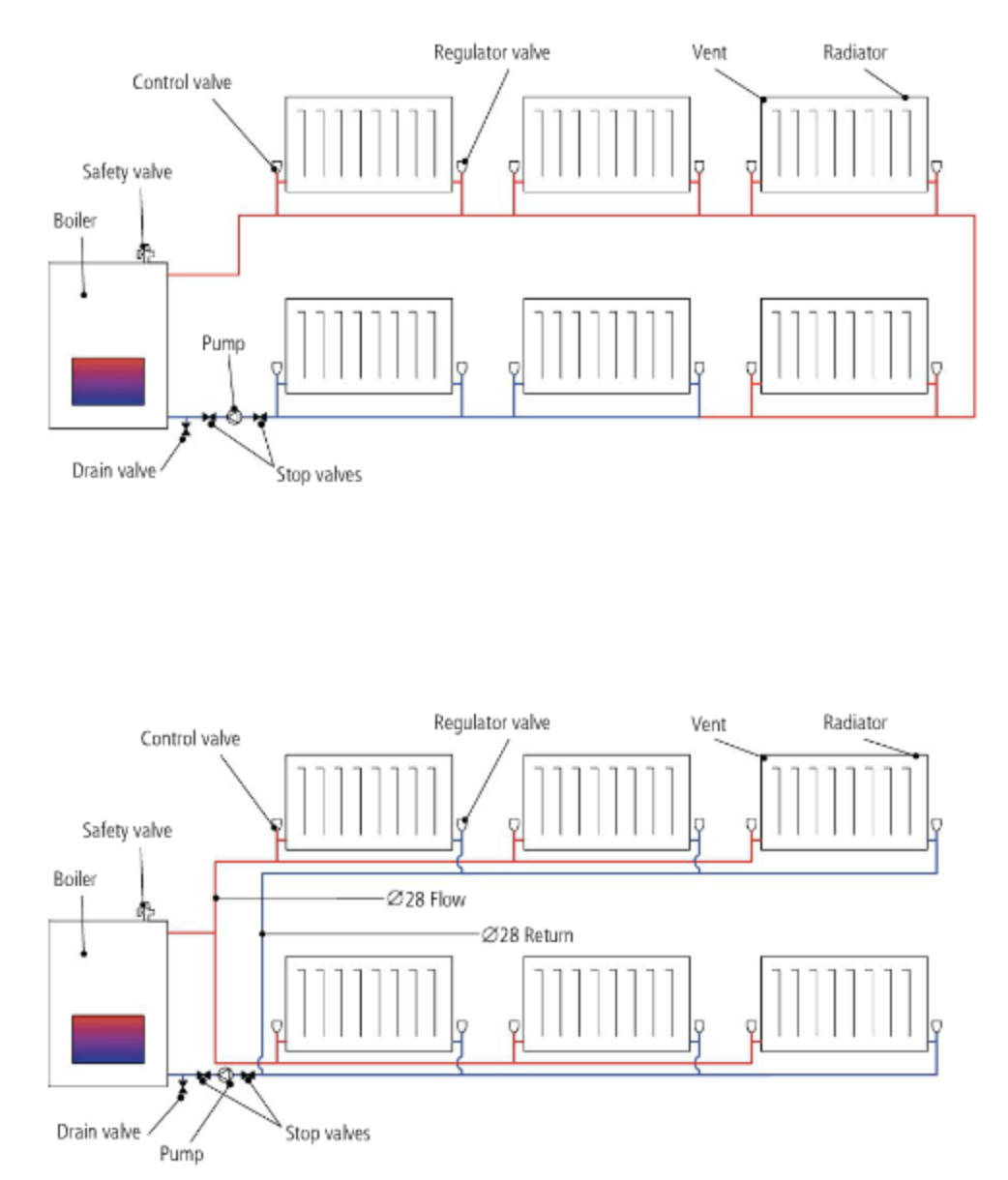

Once the water heats up, it travels through two main pipes.
Flow Pipe (Hot Water)
First, hot water leaves the boiler.
Then, it flows to radiators throughout the home.
Radiators
Next, radiators release heat into each room.
Meanwhile, the water inside cools down.
Return Pipe (Cooler Water)
Finally, the cooler water returns to the boiler.
Because this water is cooler, the boiler can run more efficiently.
Hot Water for Taps and Showers (Combi Boilers)
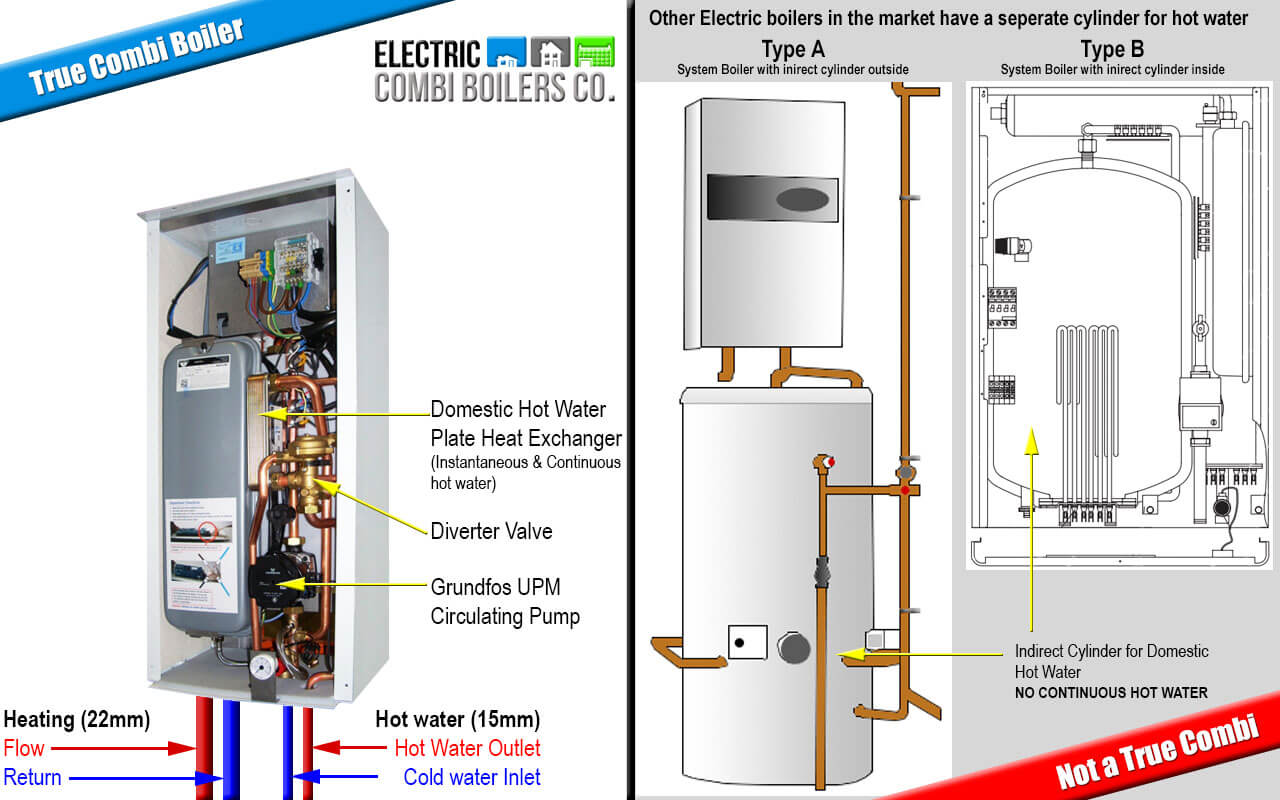
In a combi boiler, hot water is made only when you need it.
First, cold mains water enters the boiler.
Then, the boiler heats it instantly.
As a result, hot water flows straight to the tap or shower.
Unlike older systems, no storage tank is required.
Controls and Safety Features

Modern boilers use several controls to stay safe and efficient.
Thermostat
First, the thermostat decides when heating should turn on or off.
Temperature Sensors
Next, sensors keep water temperatures within safe limits.
Pressure Sensor
At the same time, pressure sensors ensure water circulates properly.
Flame Detection
If the flame goes out, the gas supply stops immediately.
Therefore, the system remains safe at all times.
Why Modern Boilers Are More Efficient
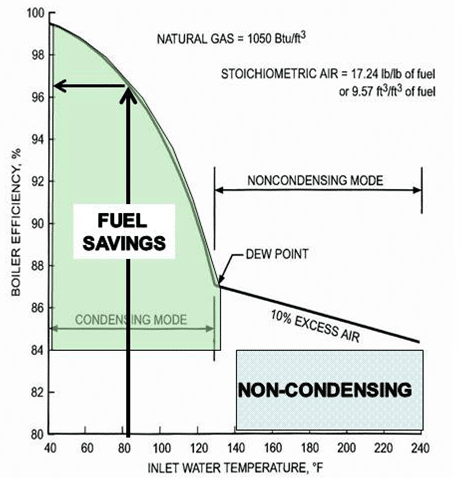

Modern condensing boilers recover extra heat that older boilers waste.
Because of this, they:
- Use less gas
- Lower energy bills
- Reduce emissions
In addition, they work best with lower water temperatures and well-balanced radiators.
The Heating Cycle in Simple Steps
- First, the thermostat calls for heat
- Then, the boiler lights the flame
- Next, water heats up inside the boiler
- After that, hot water flows to radiators
- Finally, cooler water returns to be reheated
This cycle continues until your home reaches the set temperature.
Important Safety Note
Gas boilers must always be installed and serviced by qualified professionals.
This page explains how boilers work, not how to repair them.