Offshore Wind and How It Connects to the Grid

Offshore wind plays a growing role in the UK’s clean energy system. By capturing strong, reliable winds at sea, offshore turbines generate large amounts of electricity without producing carbon emissions.
However, generating electricity offshore is only the starting point. To power homes, businesses, and public services, developers must bring this electricity ashore and connect it to the national grid. This page explains how that process works, step by step.
What Is Offshore Wind?
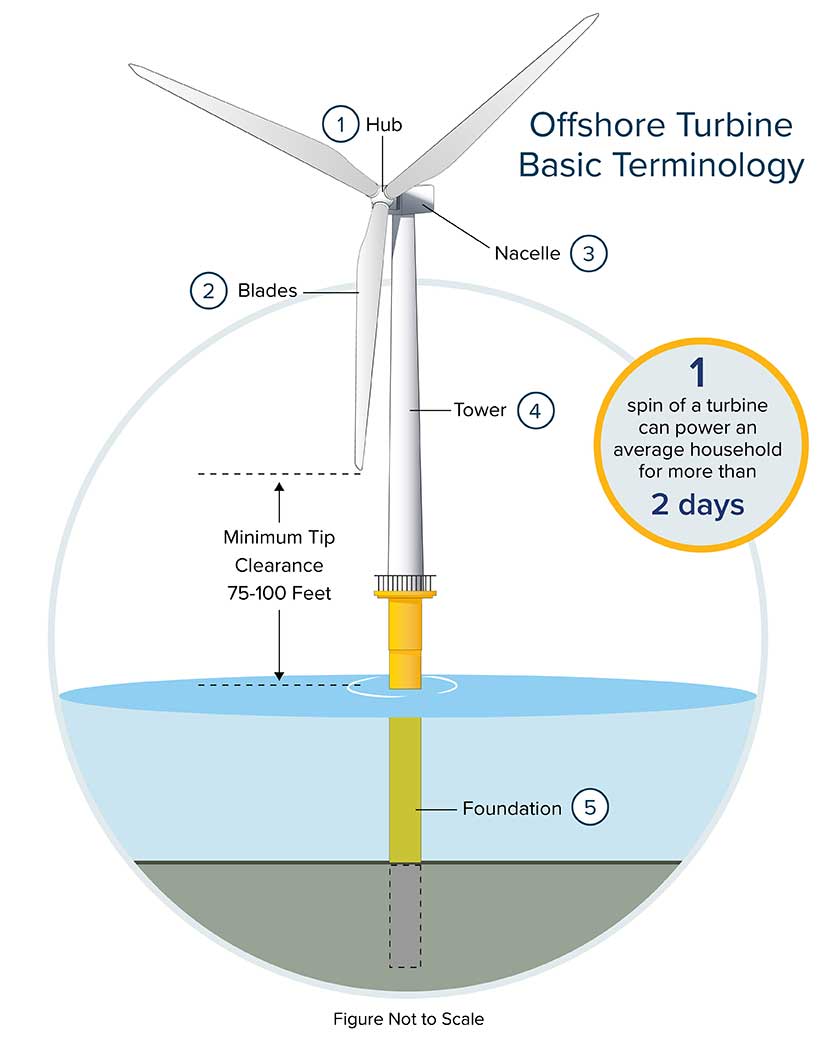
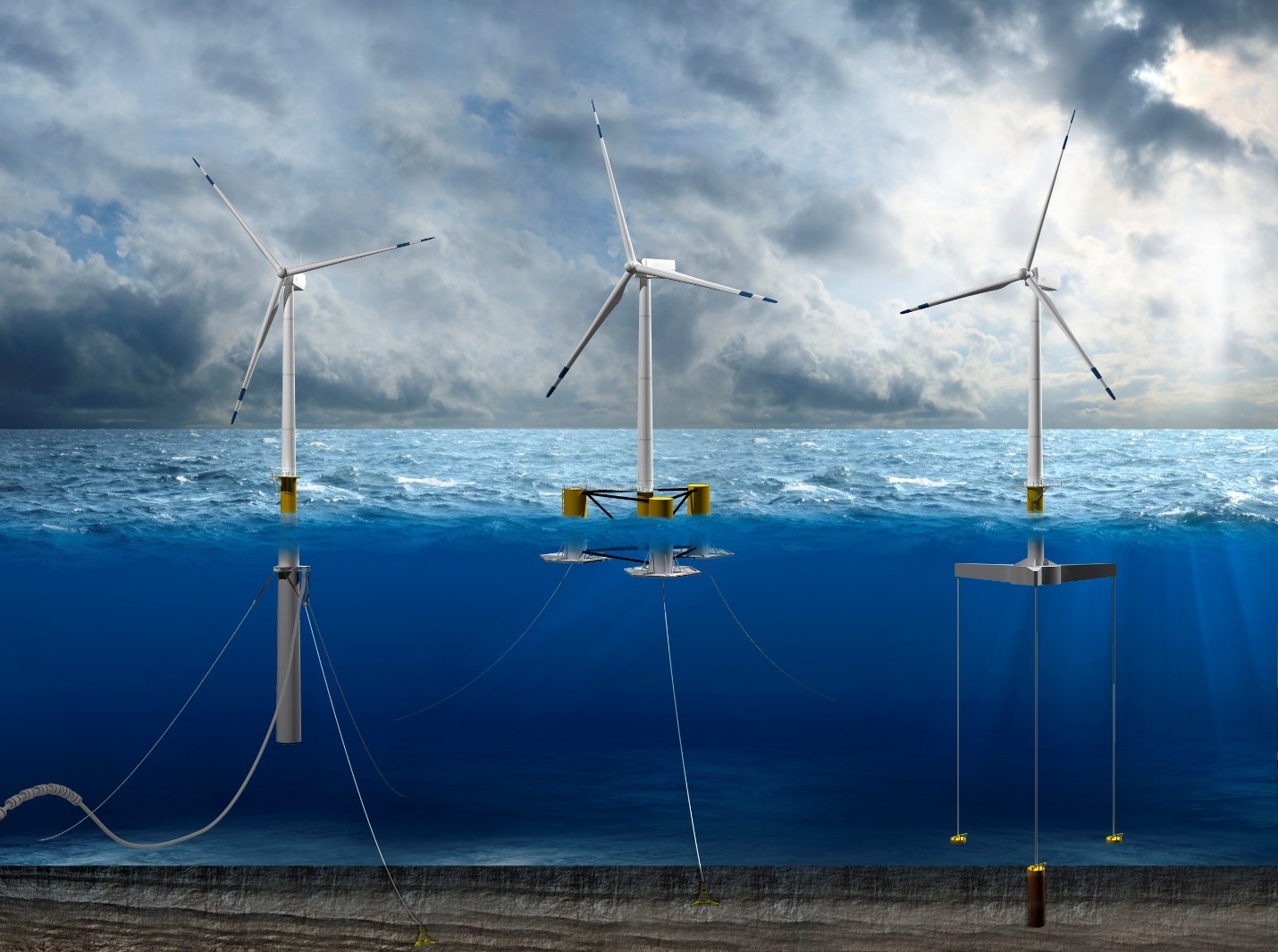
Offshore wind farms consist of groups of turbines built in coastal waters, often in areas such as the North Sea.
Each turbine captures energy from the wind and converts it into electricity. Offshore locations suit wind power particularly well because:
- Winds at sea blow more strongly and consistently
- Developers can install larger turbines
- Projects can generate electricity at a much larger scale
As a result, offshore wind makes a major contribution to the UK’s energy supply.
How Offshore Wind Produces Electricity
First, wind turns the blades of each turbine. Next, this movement drives a generator inside the turbine, which produces electricity.
Then, cables laid on the seabed collect electricity from several turbines at once. These inter-array cables carry the power to an offshore substation.
At this point, the offshore substation increases the voltage. By doing so, it allows electricity to travel long distances more efficiently.
Bringing Electricity Back to Shore
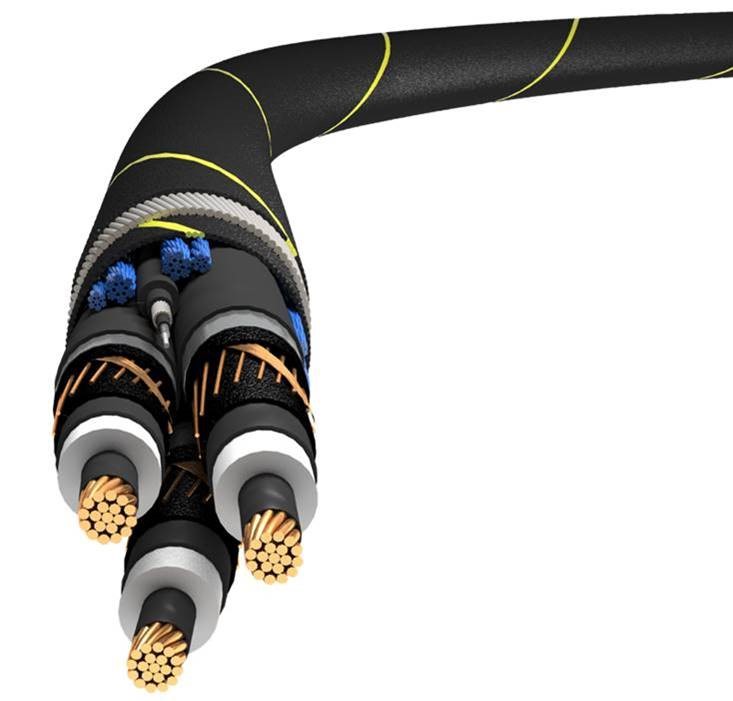

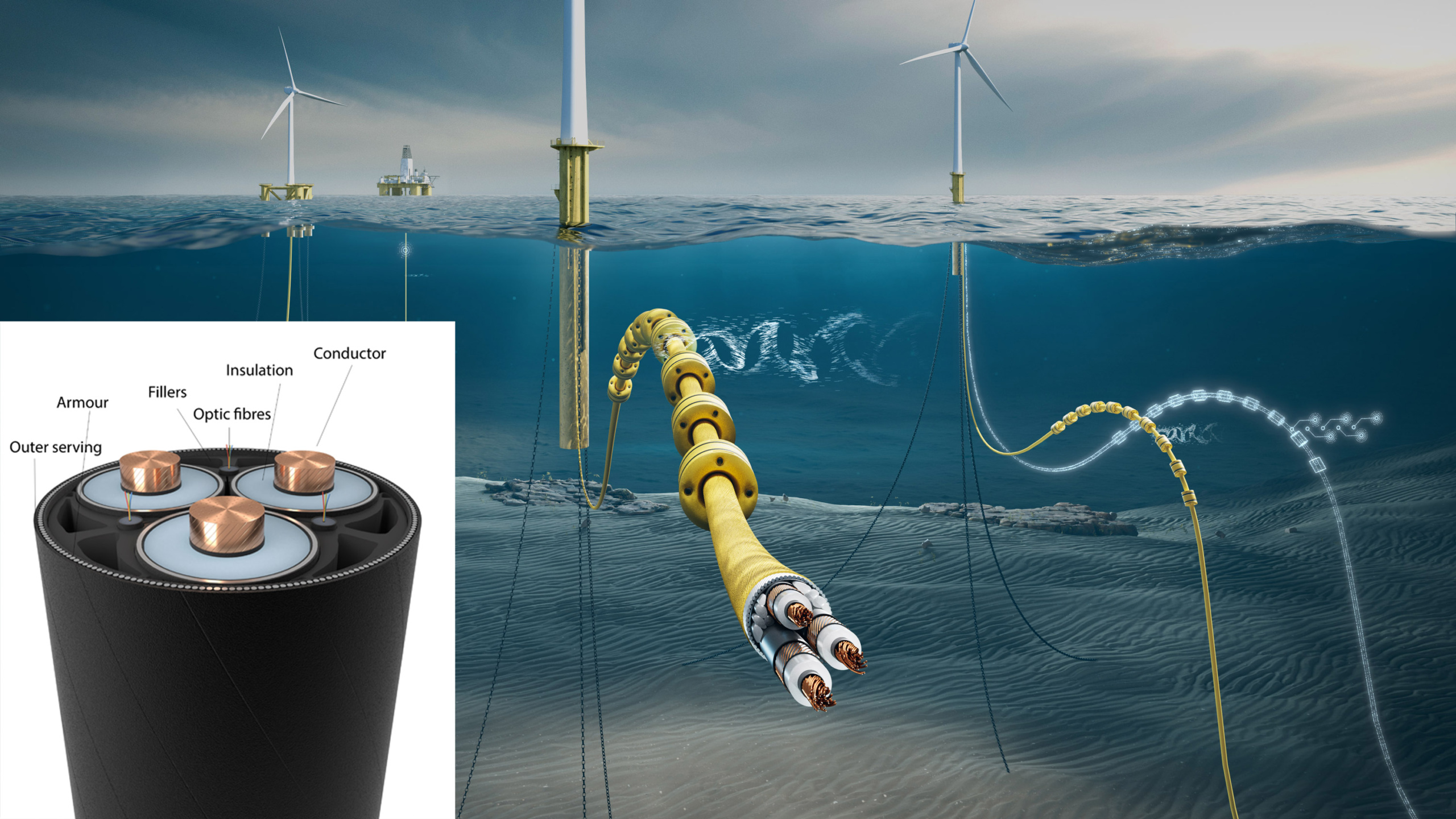
After leaving the offshore substation, electricity travels to land through export cables buried beneath the seabed.
These cables:
- Protect the power supply
- Reduce disruption to fishing and marine habitats
- Keep the seabed clear for other activities
Eventually, the cables reach the coast at a location known as the landfall, where they transition from offshore to onshore infrastructure.
What Happens Onshore?

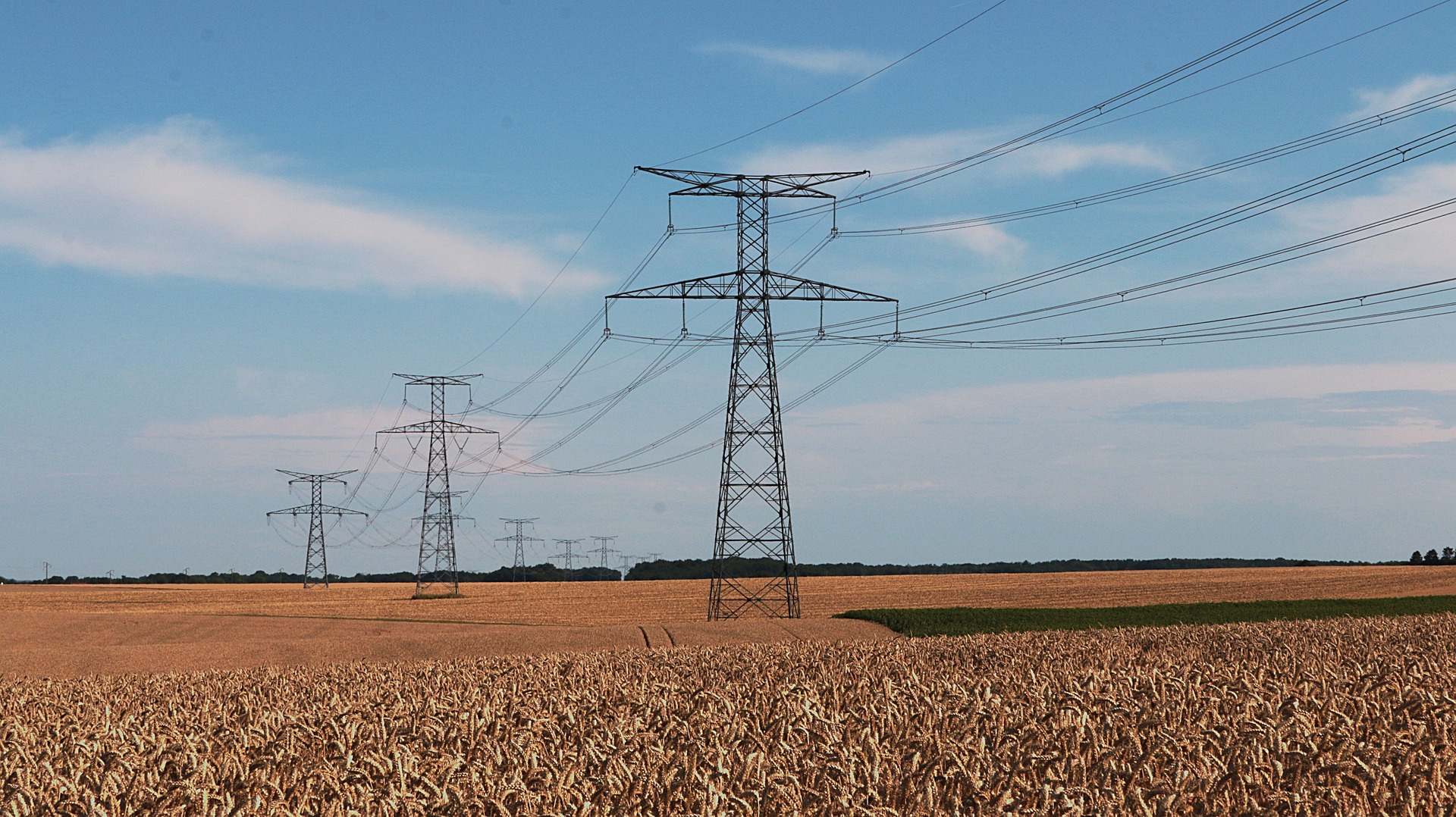

Once the cables come ashore, they carry electricity to an onshore substation. Here, equipment adjusts the electricity so it matches the requirements of the national grid.
From there, electricity enters the transmission network, which organisations such as National Grid ESO coordinate.
As a result, power flows through the network to where demand is highest across the country.
Why Grid Connections Matter
Without strong grid connections, offshore wind cannot deliver its full benefits. If the grid lacks capacity:
- Electricity cannot reach consumers
- Clean energy goes to waste
- New wind projects face delays
Therefore, grid planning plays a crucial role in making offshore wind reliable and effective.
Planning and Community Considerations


Developers must carefully plan offshore wind farms and grid connections. To do this, they carry out:
- Environmental studies
- Marine and planning assessments
- Consultation with local communities
Through these steps, projects reduce impacts on wildlife, landscapes, and people who live or work nearby.
Looking Ahead

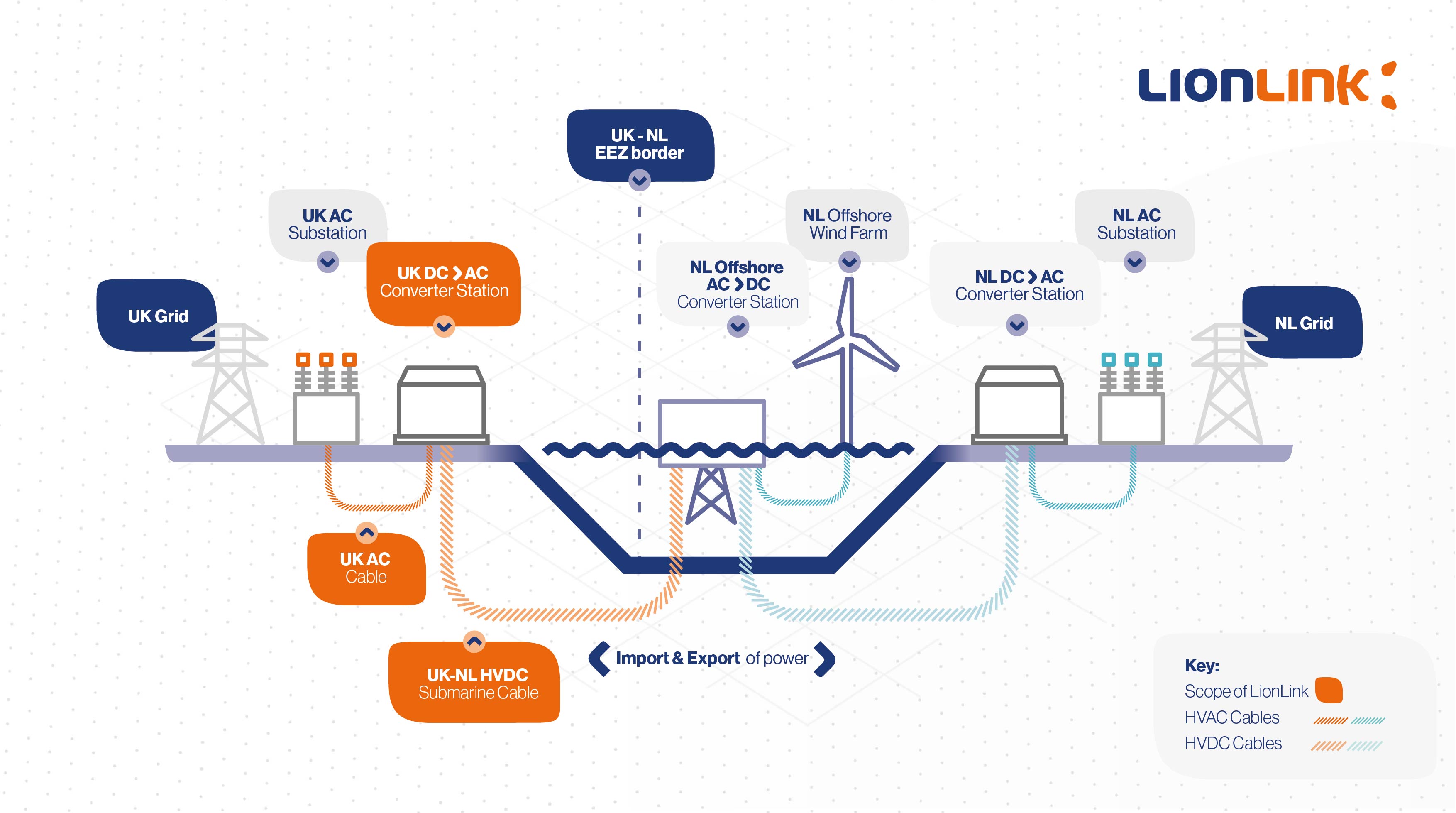
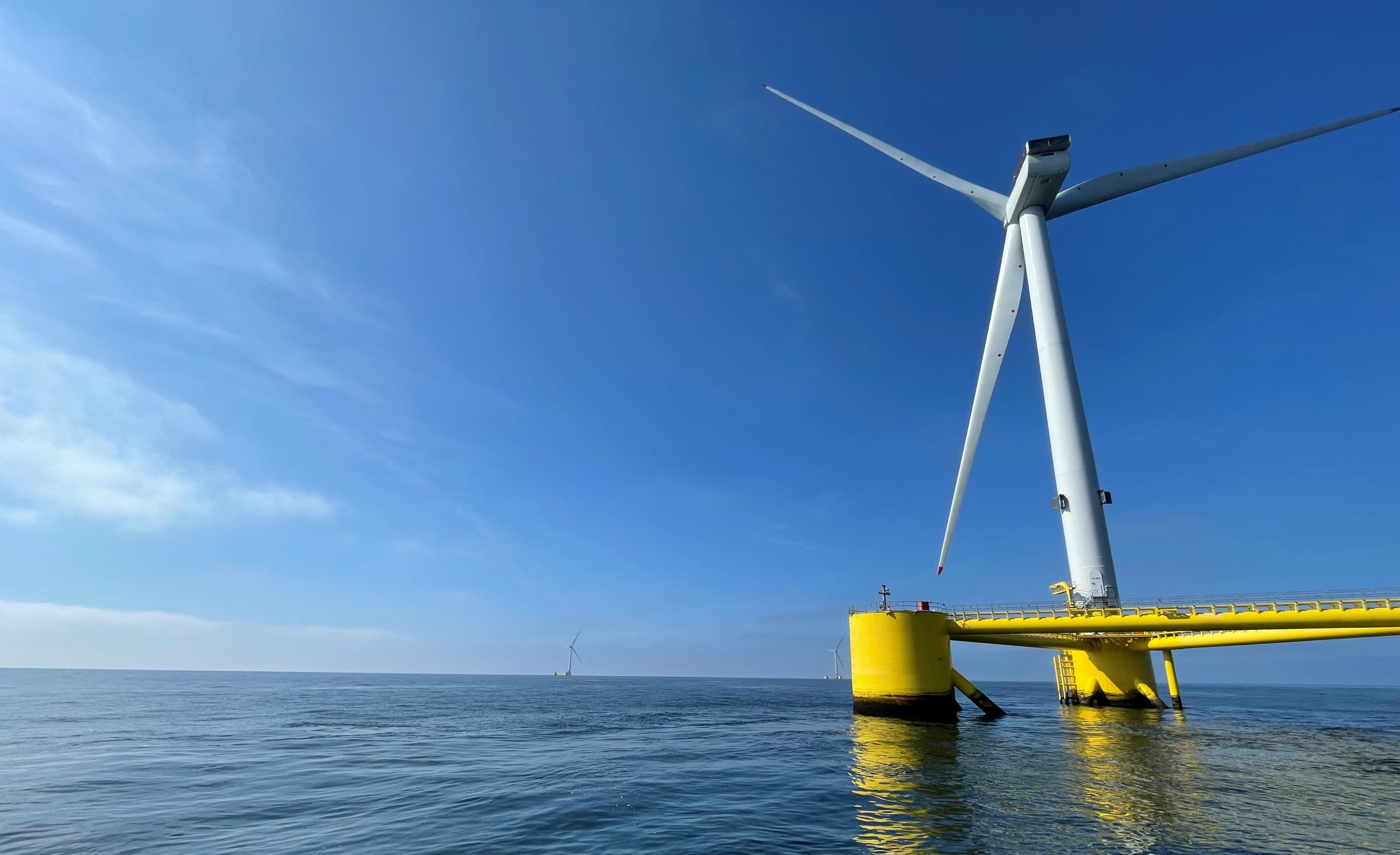
As offshore wind capacity grows, the UK continues to explore new approaches to grid connections. For example, shared offshore infrastructure and coordinated connections could serve multiple wind farms at once.
In turn, these changes could:
- Reduce environmental impacts
- Lower long-term costs
- Improve system efficiency
- Support future technologies such as floating wind
Summary
Offshore wind generates large amounts of clean electricity. However, grid connections make it possible to deliver that power from sea to shore.
From turbines offshore to cables on the seabed and substations on land, each part of the system plays a clear role. By understanding how these elements work together, it becomes easier to see why careful planning and investment remain essential to the UK’s clean energy future.